
Cross-functional projects stall in the handoffs between teams. How to make ownership, approvals and bottlenecks visible so work keeps moving.
Cross-functional projects rarely get stuck because one person stopped working. They get stuck because the work moves between people, teams and external stakeholders without a clear next step, owner or signal that something is at risk.
The cost of handoffs
A project can look healthy while individual handoffs quietly accumulate friction. A request sits in an inbox. An approval waits for context. A vendor receives an updated brief but nobody knows whether the previous version is still being used.
Each handoff creates another place for status to disappear. By the time a project shows up as overdue, the underlying bottleneck may have started days earlier.
When teams can see what comes next, who owns it and what is blocking it, a project becomes easier to move without adding another layer of coordination.
Make ownership visible
Every meaningful project step should answer three questions: what needs to happen, who owns it, and what happens after it is complete. This becomes especially important when a workflow crosses operations, finance, vendors, agencies or other external stakeholders.
Finalise electrical drawings
Approve the revised drawings before the fit-out team starts work.
Keep approvals moving
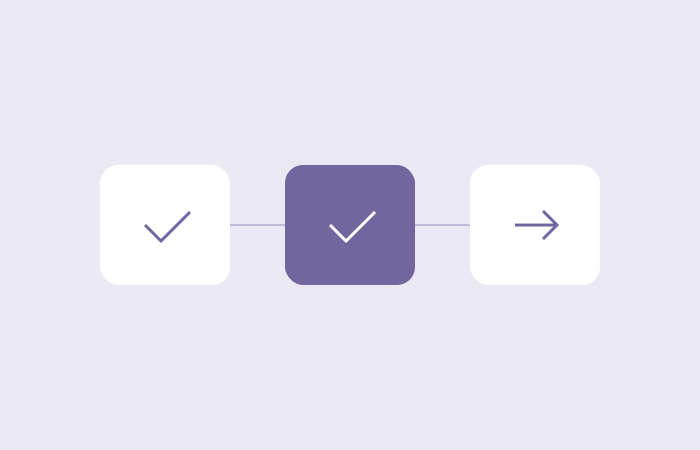
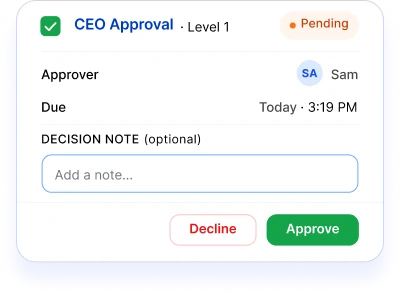
Approvals should sit inside the workflow, with a clear owner, deadline and decision path. When a decision is made, the next step should move automatically.
Use bottlenecks as a signal
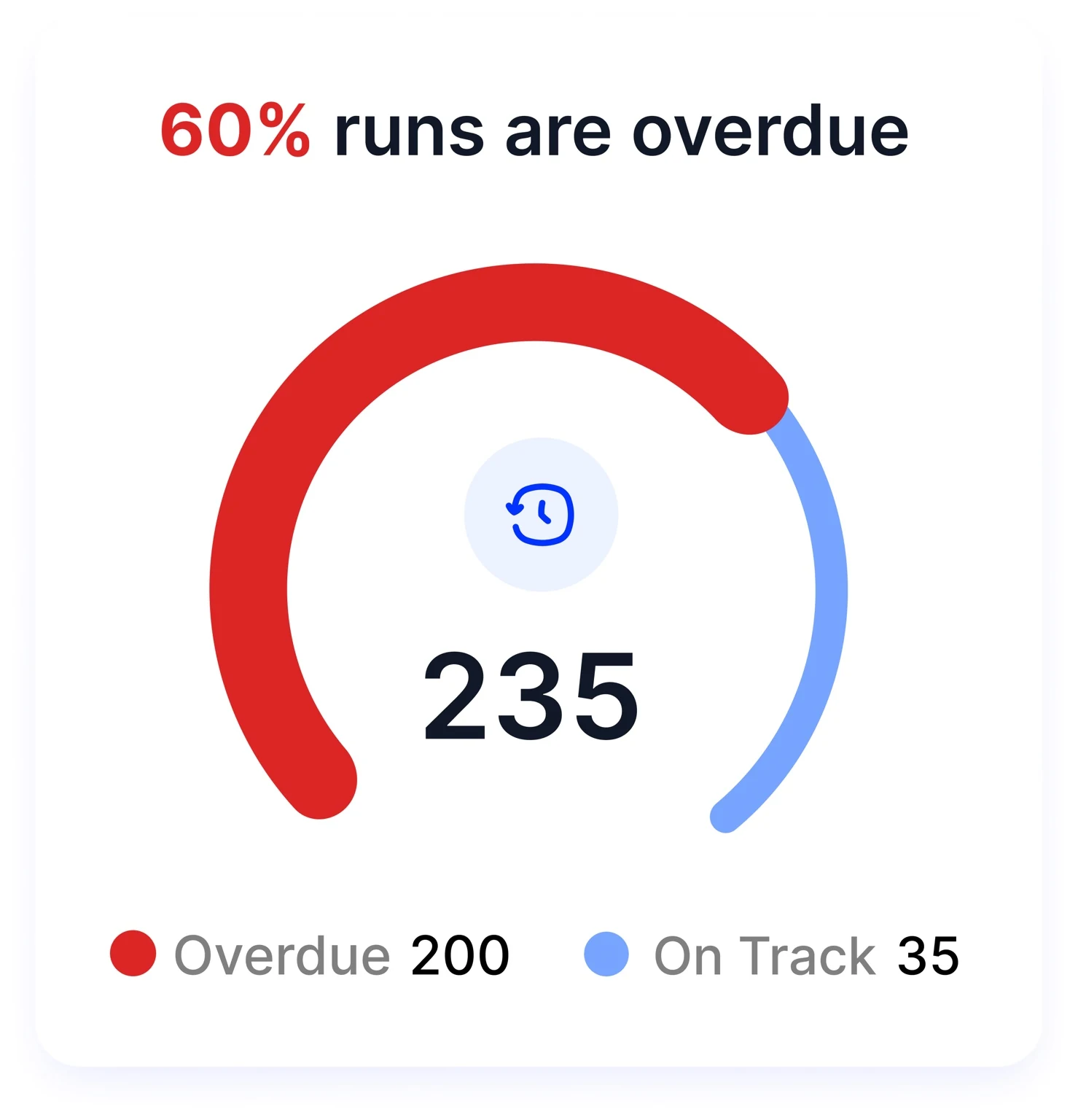
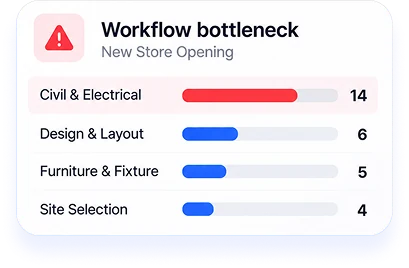
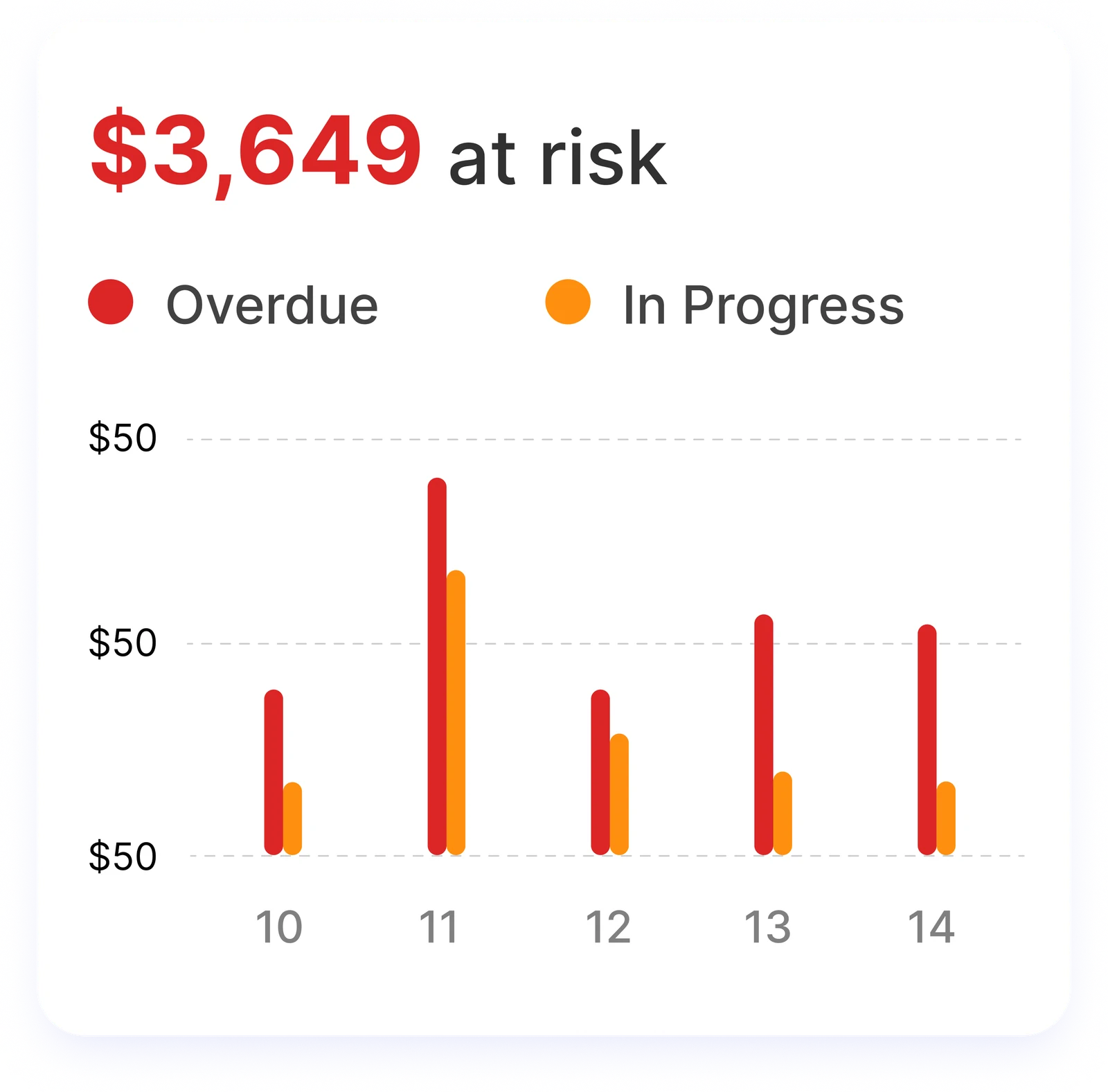
A good project view does more than show status. It shows where work is getting stuck, what is overdue and what that delay puts at risk.
How Nodomo connects the flow
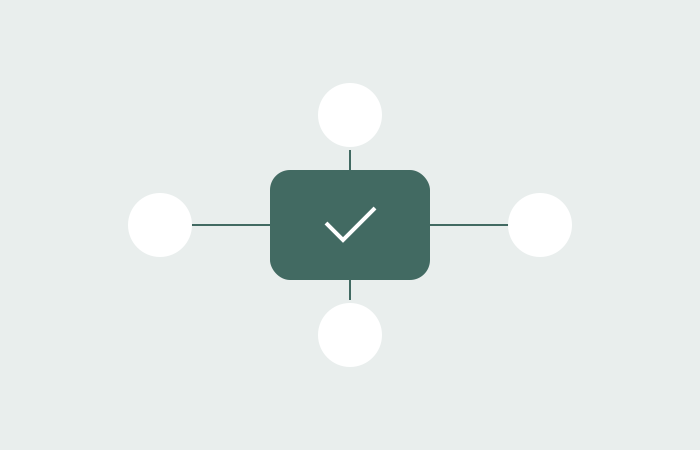
Nodomo turns a project playbook into connected work across teams and external stakeholders. Tasks, approvals, dependencies and AI agent nodes can sit inside the same workflow, while the dashboard surfaces current bottlenecks and work at risk.
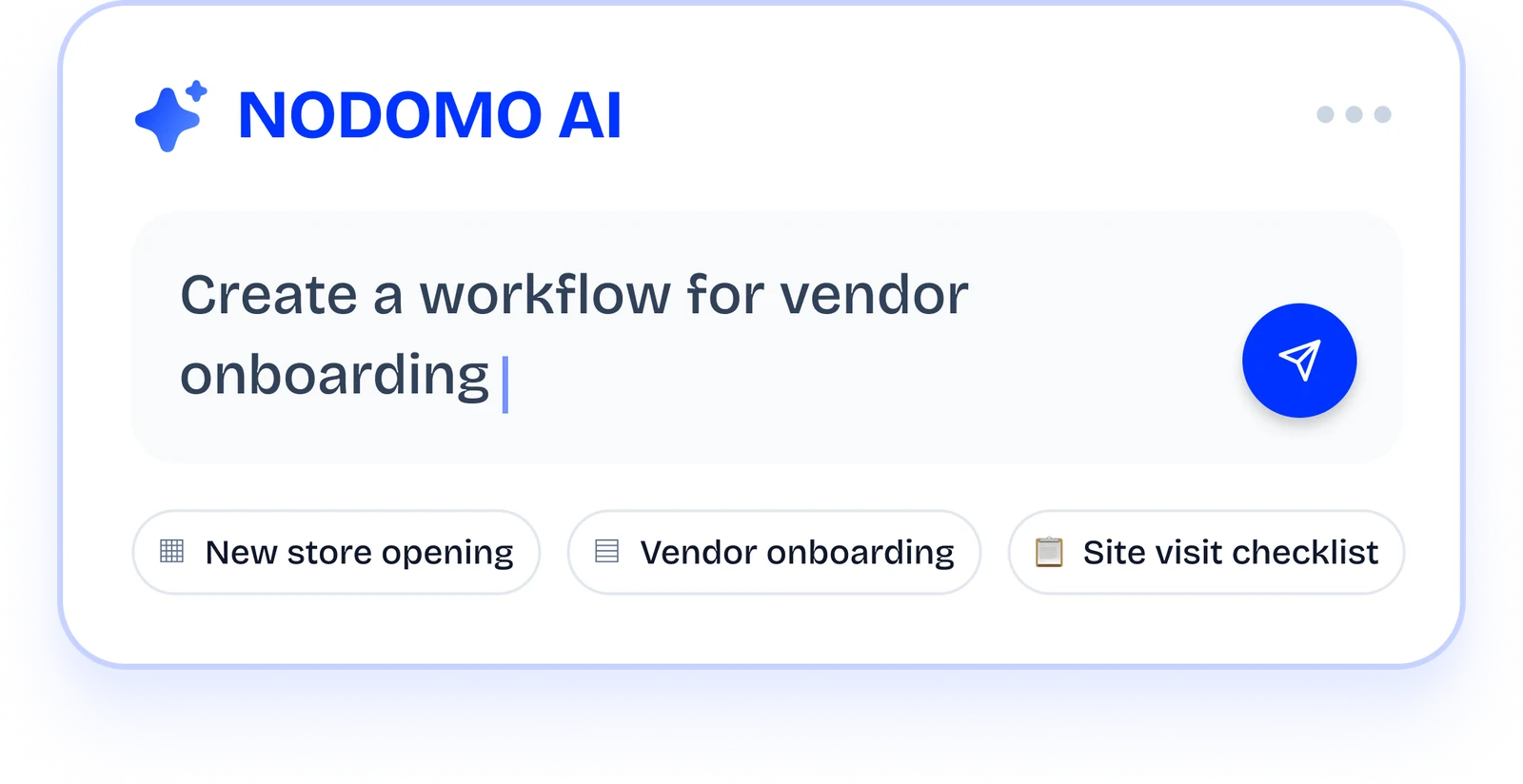
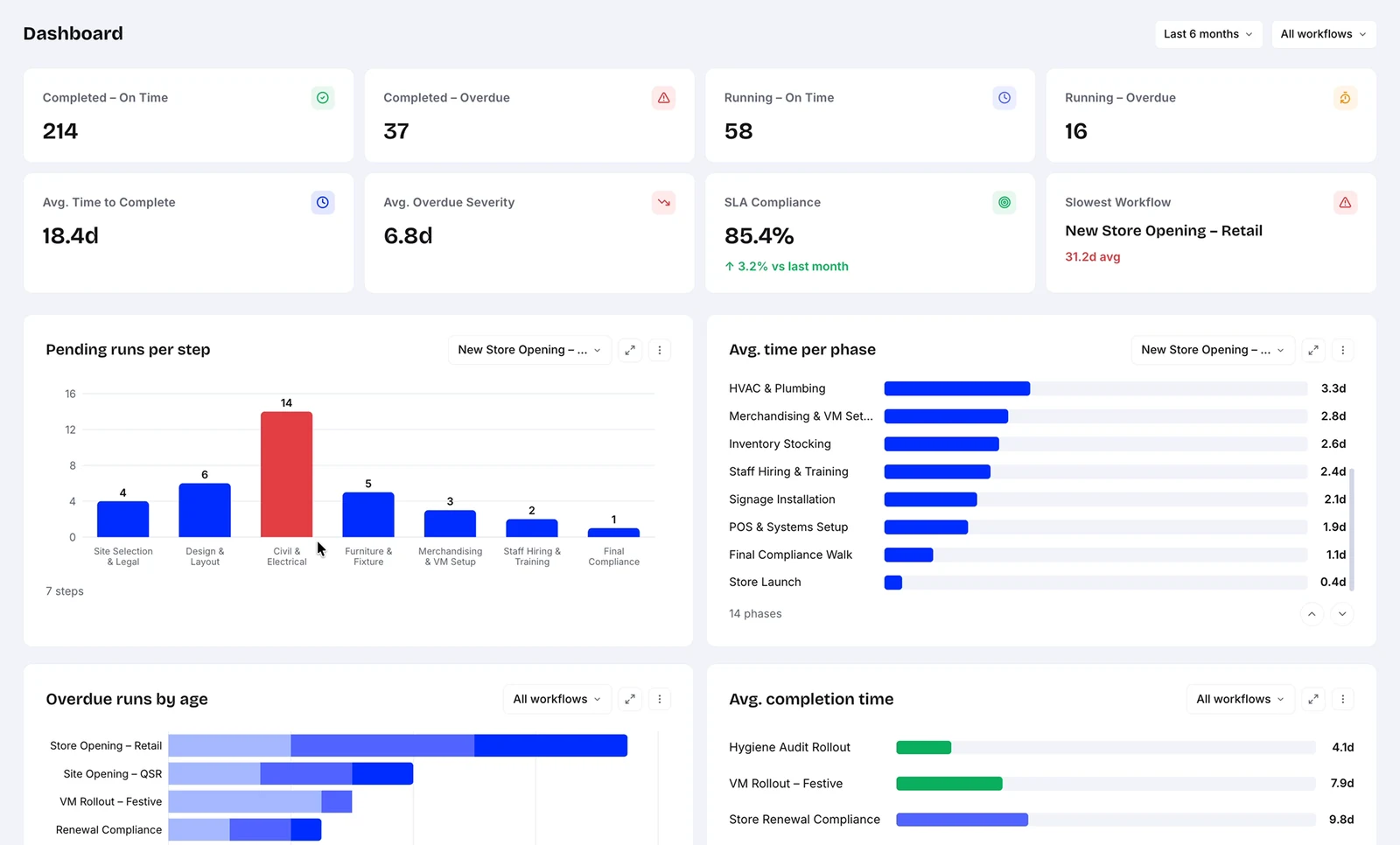
- AI agent nodes can handle repeatable project work and move information between steps.
- Connected approvals keep decisions attached to the work they unblock.
- Dashboard signals show bottlenecks and overdue work before they become surprises.
- Workflow context gives every owner a clear next step without needing another status meeting.
When ownership, approvals and dependencies live in one connected flow, teams spend less time reconstructing status and more time moving the project forward.
The takeaway
Cross-functional work needs more than a list of tasks. It needs a visible chain of ownership and decisions. The closer a project gets to that model, the easier it becomes to spot bottlenecks early and keep work moving across teams.